Latest News
Seminar on “Skills Development in Micro and Nanoelectronics Design Technologies in the Universities of Punjab”
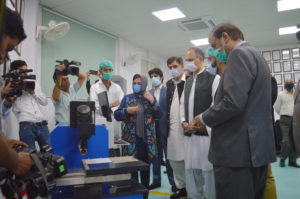
University of Engineering and Technology Lahore organized a seminar on “Skills Development in Micro and Nanoelectronics Design Technologies in the Universities of Punjab”. Minister for high education punjab Raja Yasir Humayon Sarfraz was the chief guest.
In his address, the provincial minister said that the importance of micro and nano chips in modern times cannot be denied. To promote this technology in Pakistan, the Punjab government will promote chip technology in 9 universities of the province. In this regard, the UET has been given a special task. The UET will develop PC One on project hardware, budget, and other issues. After which special training will be given to the faculty members of other universities. He further said that the trained staff would inform the students about chip technology in their respective universities, curriculum would be prepared while special courses would also be arranged. Apart from the University of Engineering and Technology Lahore, UET Taxila, ITU Lahore and Islamia University Bahawalpur are also involved in the project to promote chip technology in Punjab. Similarly, MNS, UET Multan, King Fahad University Rahim Yar Khan, University of Gujarat and Chakwal are also a part of this project. Earlier, Vice Chancellor UET Lahore Prof. Dr. Syed Mansoor Sarwar thanked the distinguished guest and reiterated the commitment of UET to play its full role for the completion of the project. The seminar was attended by Vice Chancellors of other universities, faculty members, chairpersons of relevant departments and a large number of students.

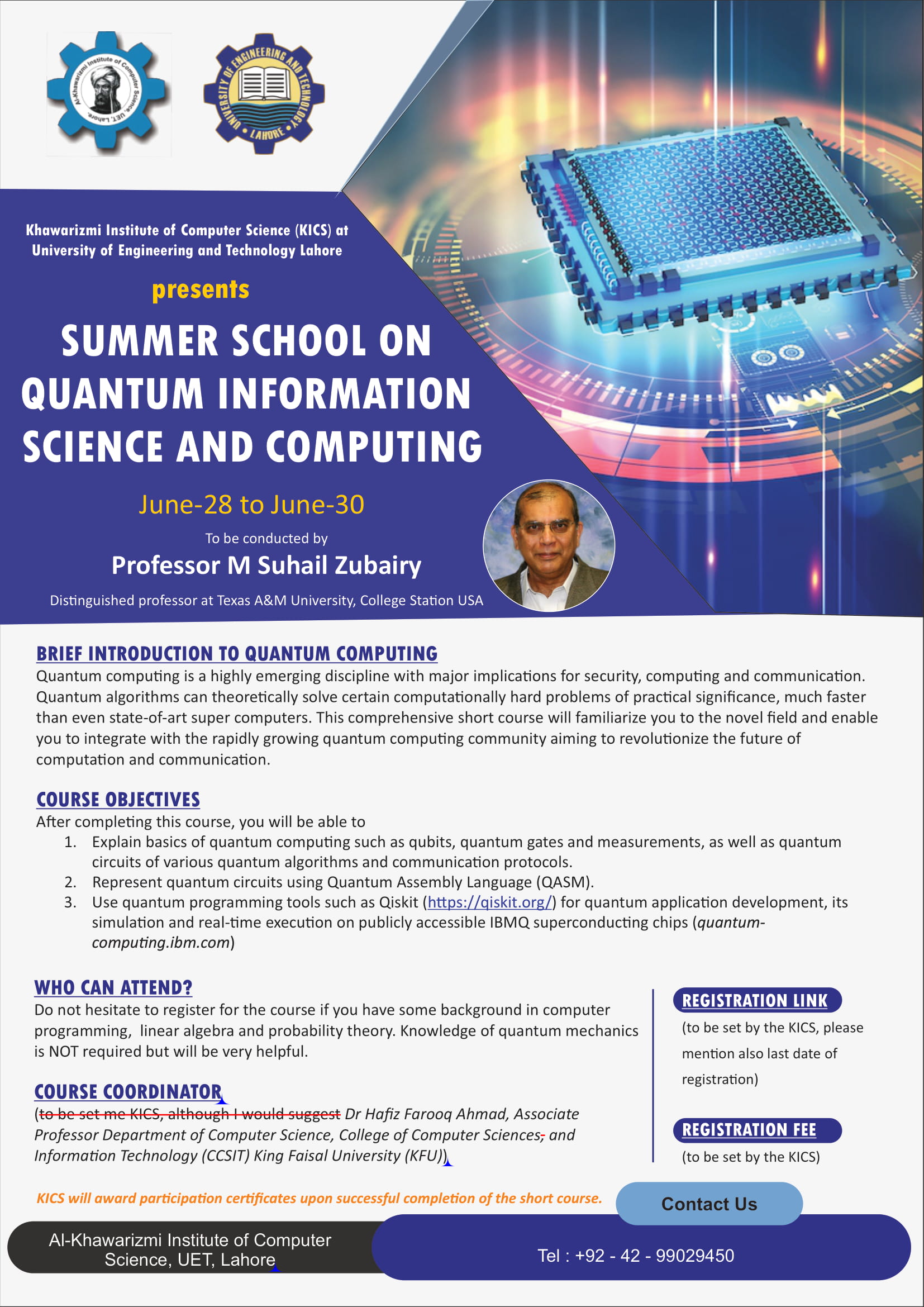
KICS Presents Quantum Computing Summer School 2021
Who Should Participate:
Electrical & Electronics engineers, Computer Sciences, Computer Engineers, Physics background senior students and working professionals including faculty members.
Registration fee:
Students: 1500/-
Faculty: 2000/-
Professionals: 3000/-
Registration link:
https://forms.gle/9S6oTCXuyW5dphyL8
14th IEEE ICOSST-2020 virtual in Pandemic KICS, UET Lahore
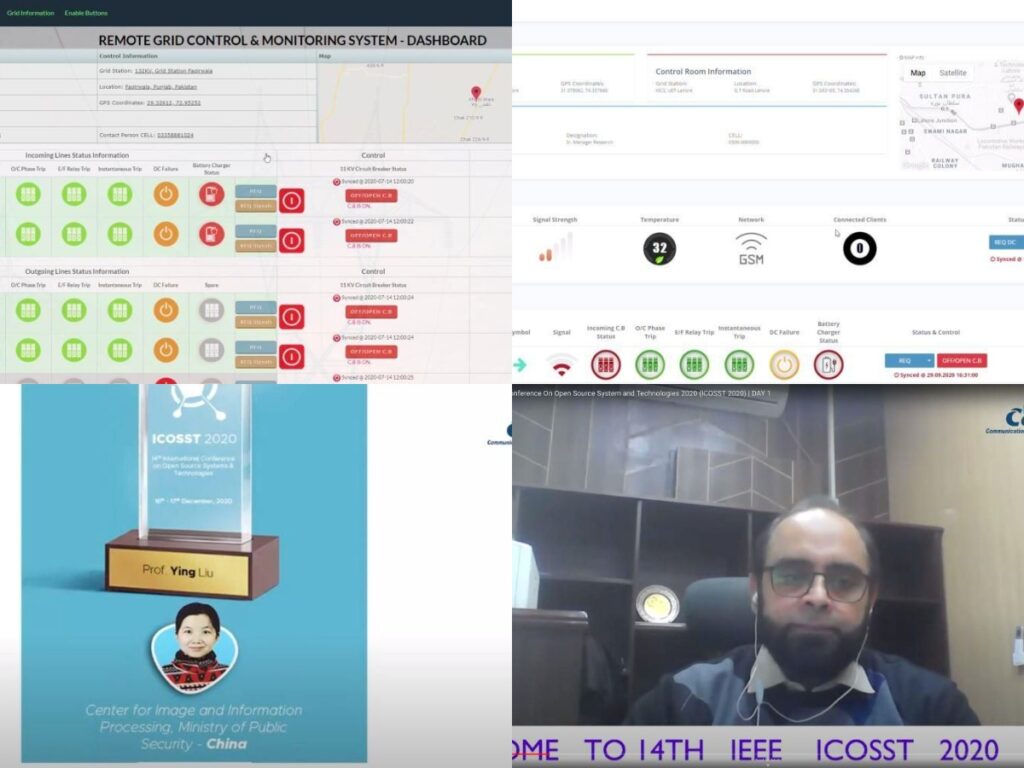
14th IEEE International Conference on Open-Source Systems and Technologies (ICOSST-2020) goes virtual in Pandemic. KICS, UET Lahore positions as a Resource Centre for Islamic World in the ICT domain
ICOSST is a flagship event of Al- Khawarizmi Institute of Computer Science (KICS), UET Lahore that has been happening successfully at the institute since 2006. Like every year, this year’s conference was unique in its features that inspired researchers, academics, Industrial experts, Public sector and private organizations not only from across the country but also from across the globe to witness quality research papers, invited talks, panel discussion and 3D modeled virtual exposition. This year’s conference was somehow different in COVID’19 perspective, to keep face to face interaction minimal it was organized virtually using CISCO powered online conferencing tool i.e., WebEx. The option to attend from home and ease of access led to a surge in participation. This year’s conference brought another good news as on the same day KICS, UET Lahore was announced as a Resource Centre for the Islamic world in the ICT domain by Higher Education Commission (HEC) and Islamic Development Bank (IDB). Launching event for the report on ‘Mapping Pakistan’s resources centers” happened online where the President of Islamic Development Bank (IsDB), H.E Dr. Bandar Hajjar, Minister of Economic Affairs, Pakistan (IsDB Governor), H.E Makhdum Khusro Bakhtyar and Executive Director, Higher Education Commission of Pakistan, Dr.Shaista Sohail graced the occasion with their welcoming remarks. Representatives from various resource centers in Agriculture, Agro-based industries, Pharmaceuticals, Information, and communication technologies participated zealously in their respective sessions. Director KICS, Prof. Dr. Waqar Mahmood presented what KICS has been doing in the area of ICT that enabled the center to achieve excellence.
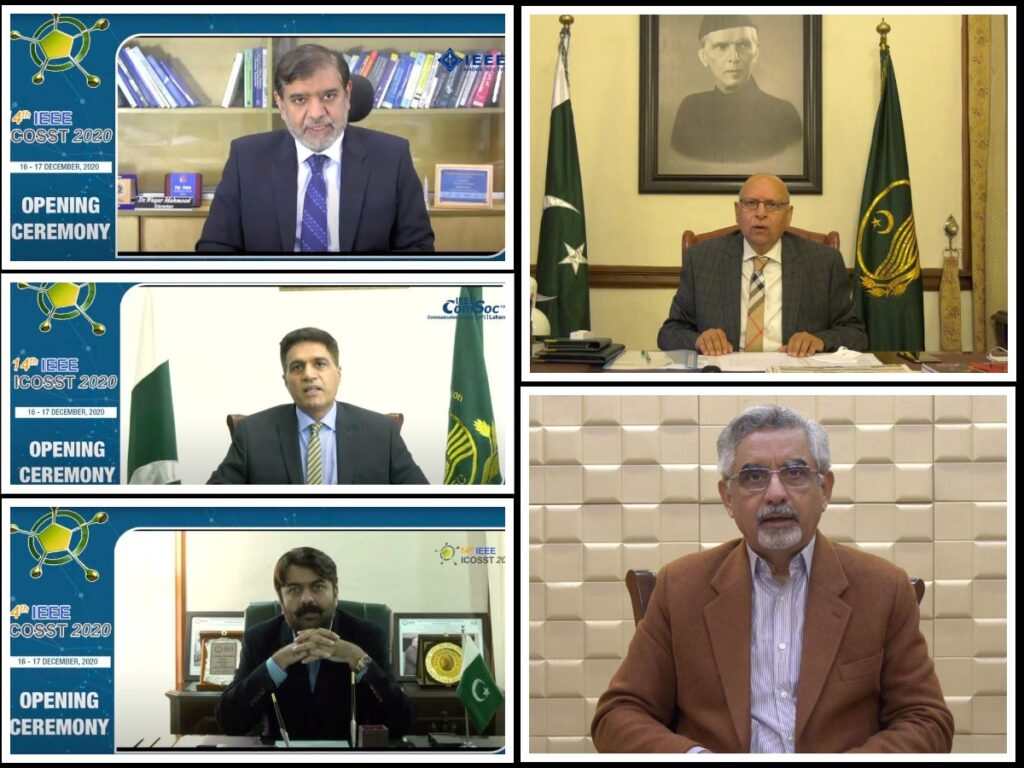
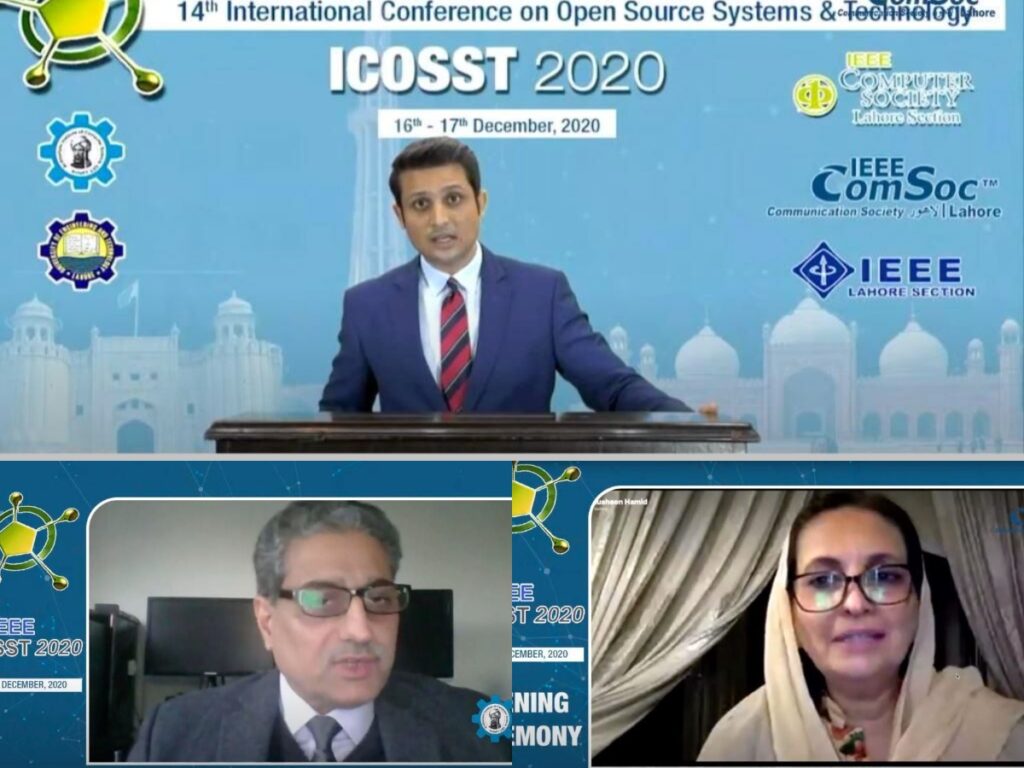
The Governor Punjab, H.E. Chaudhry Muhammad Sarwar graced the opening ceremony of ICOSST-2020 with his presence as a Chief Guest. Minister for Higher Education, Government of Punjab, H.E. Raja Yasir Humayon Sarfraz and Chairman Punjab Higher Education Commission, Prof. Dr. Fazal Ahmad Khalid were invited as Distinguished Guests. Vice-Chancellor UET Lahore, Prof. Dr. Syed Mansoor Sarwar welcomed the honorable guests, invited speakers, industrial experts, and public and private institutes on their participation and also appreciated Dr. Waqar Mahmood and his team for putting up a great show. Out of 176 research papers submitted from various countries including Pakistan.
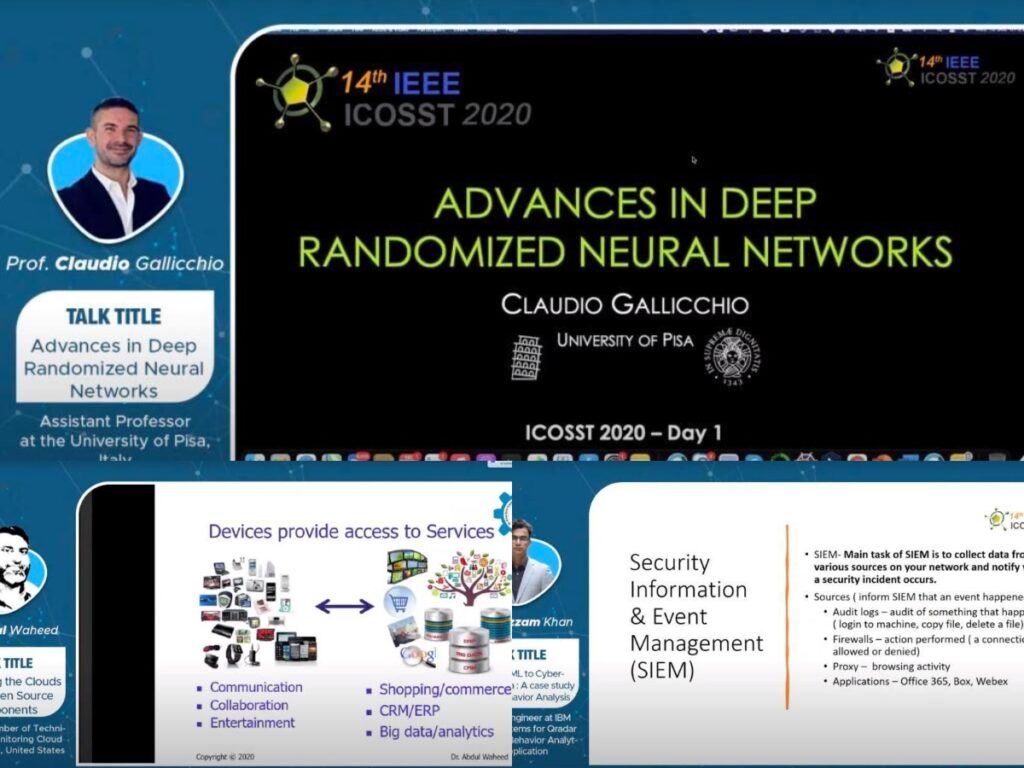
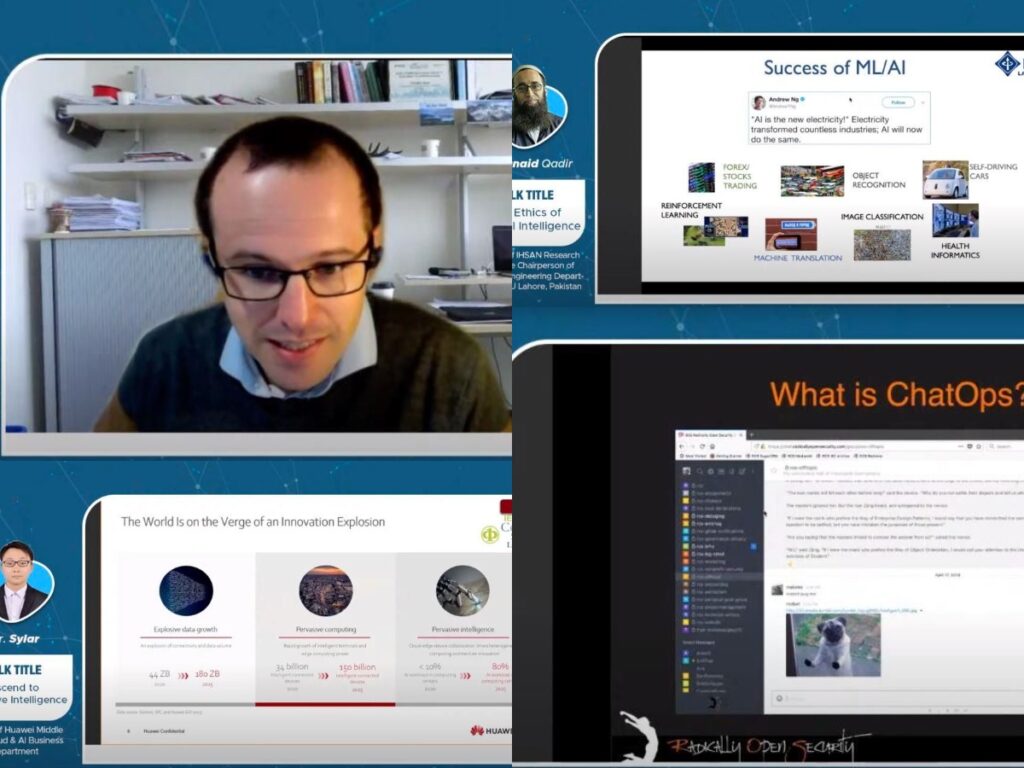
India, China, Italy, Lebanon, USA, Bulgaria, Bangladesh, Indonesia, Saudi Arabia, South Korea, Philippine, and Nigeria, the Technical Evaluation Committee accepted 35 papers qualifying the merit-based criteria. Speakers were invited from prestigious universities of Pakistan and other countries like Italy, the United States, Amsterdam, Germany, and China to deliver talks in the areas of Network Security and IoT, Software and System, Cloud Computing and Big Data, Artificial Intelligence and COVID’19 pandemic. One of the prominent agendas of this year’s conference was to put forward strategies and innovative solutions to fight COVID’19 and based on this idea a panel discussion themed “Fighting COVID’19 through innovation’ was part of the ICOSST-2020. The distinguished panel comprised Dr. Adnan Jabbar, Mr. Meer Anwar, Mr. Omer Ghani, Dr. Hammad, and Dr. Zartash Uzmi.
“Showcasing industrial and academic projects in a digital environment was a challenging task” Dr. Waqar Mahmood, Director KICS, said while talking to the media officials. A virtual exposition was designed in a 3D environment where products from different research labs of KICS were displayed in such a manner that visitors could have live demos experience in a Virtual reality-based environment. The unique exposition organized using VR based technology not only attracted visitors but also set an example of organizing expositions in Pandemic. More than a dozen industries showcased their products in the exposition. Participating industries include ArhamSoft Pvt.Ltd, TechHive Solutions, Jolta Electric, Zoxcell, Desollnt. Pvt. Ltd, Silicon st, Grandeur Tech, Ebryx, Tower Technologies, Xeber, Repairwala.Pk, Tranchulas, ComSoft Solutions, ArbiSoft, Techverx, Global Technologies.
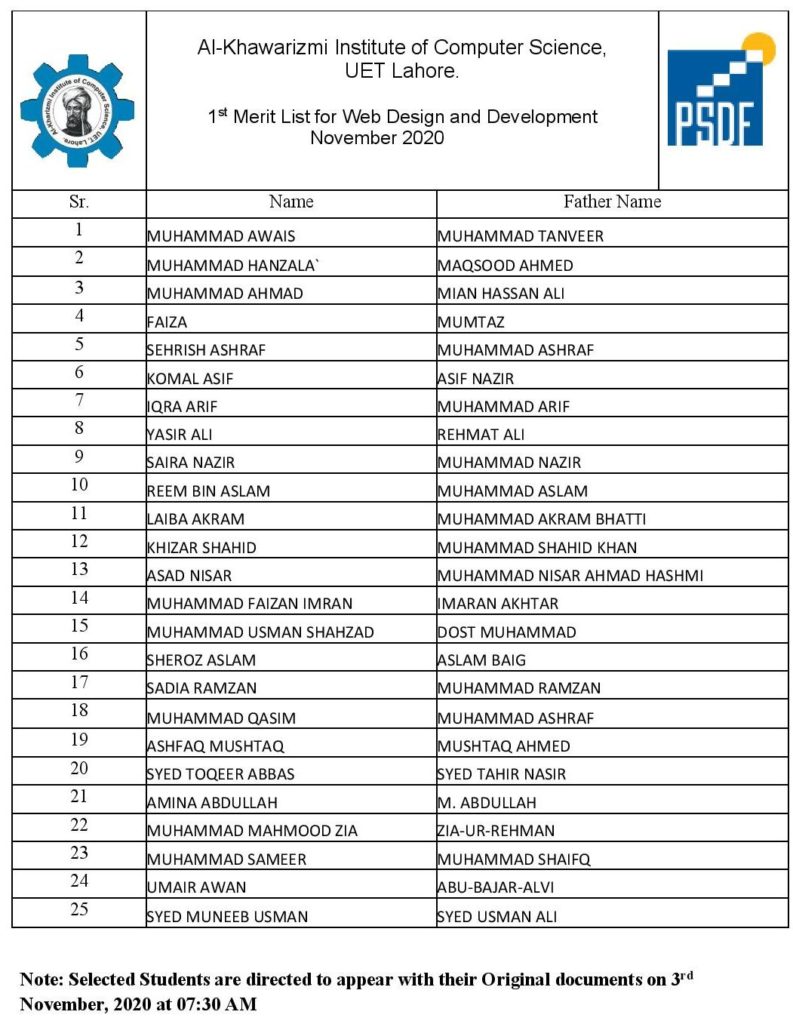
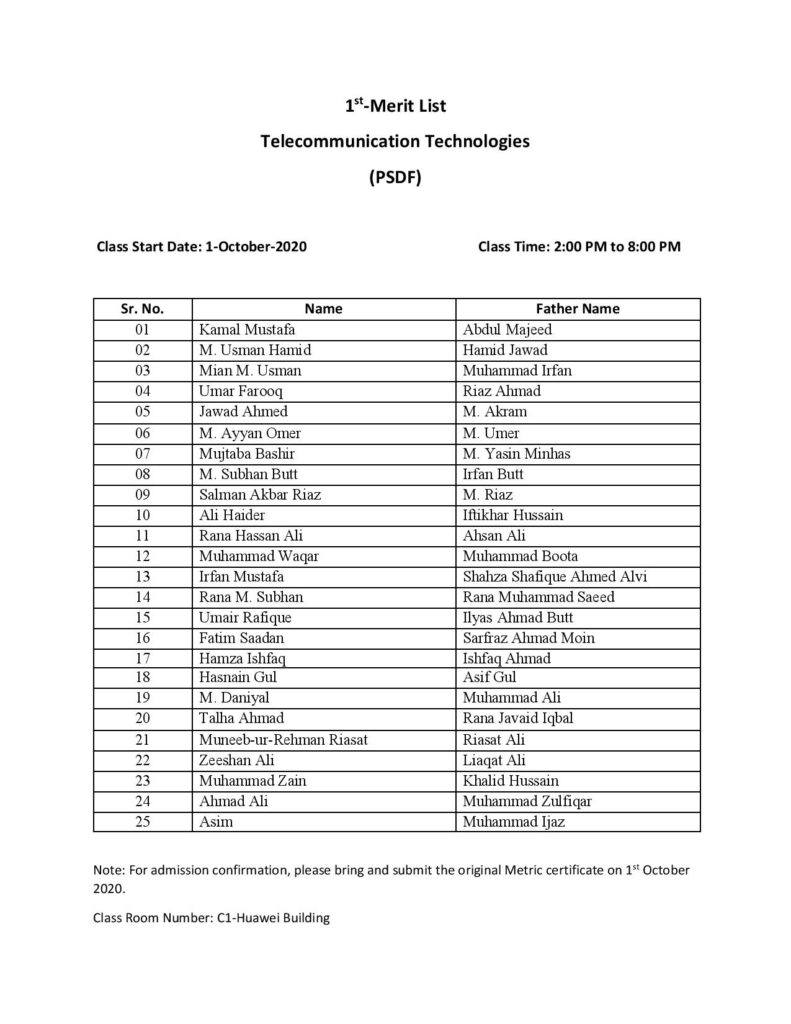
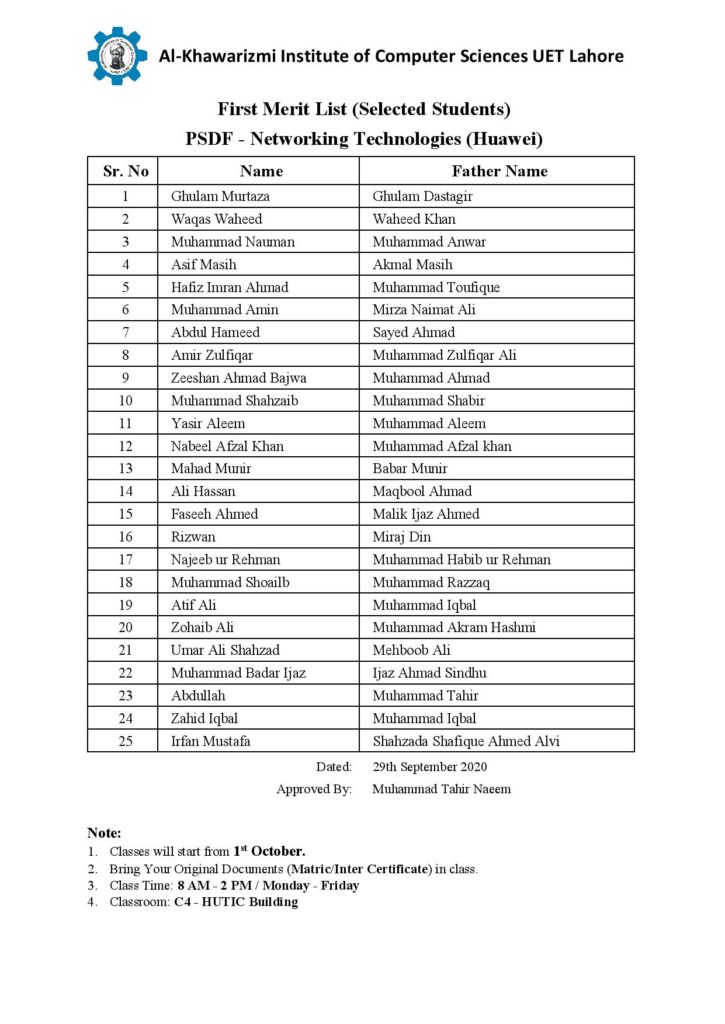
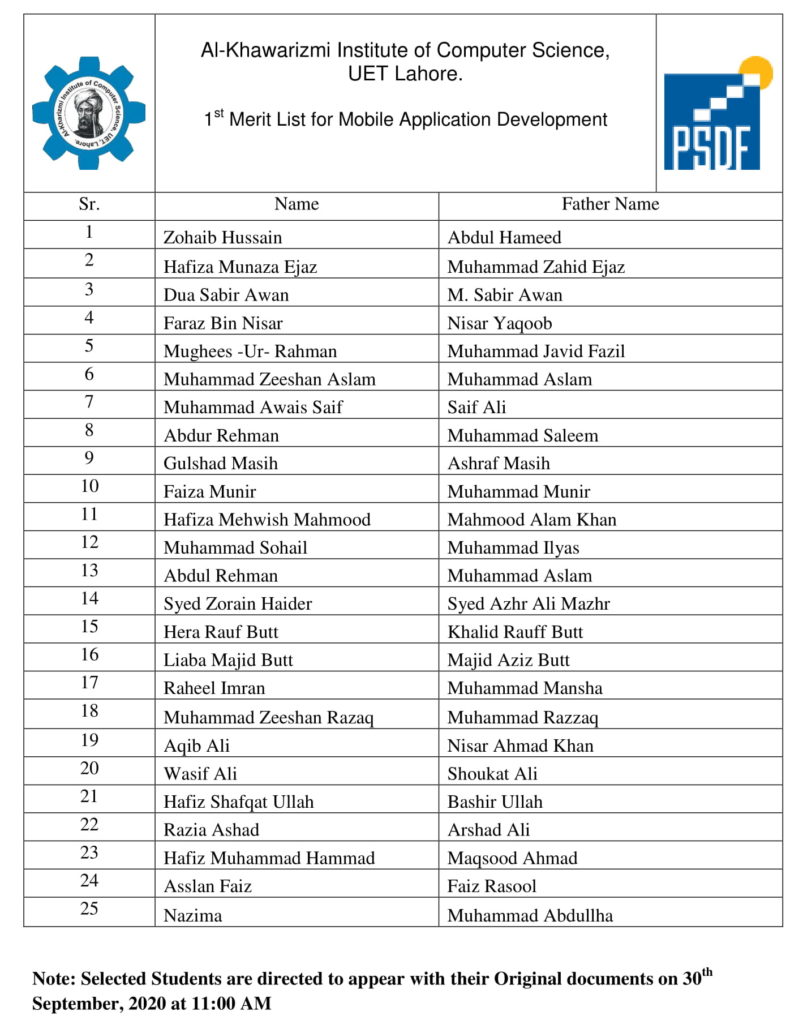
PSDF MERIT LIST NOVEMBER 2020
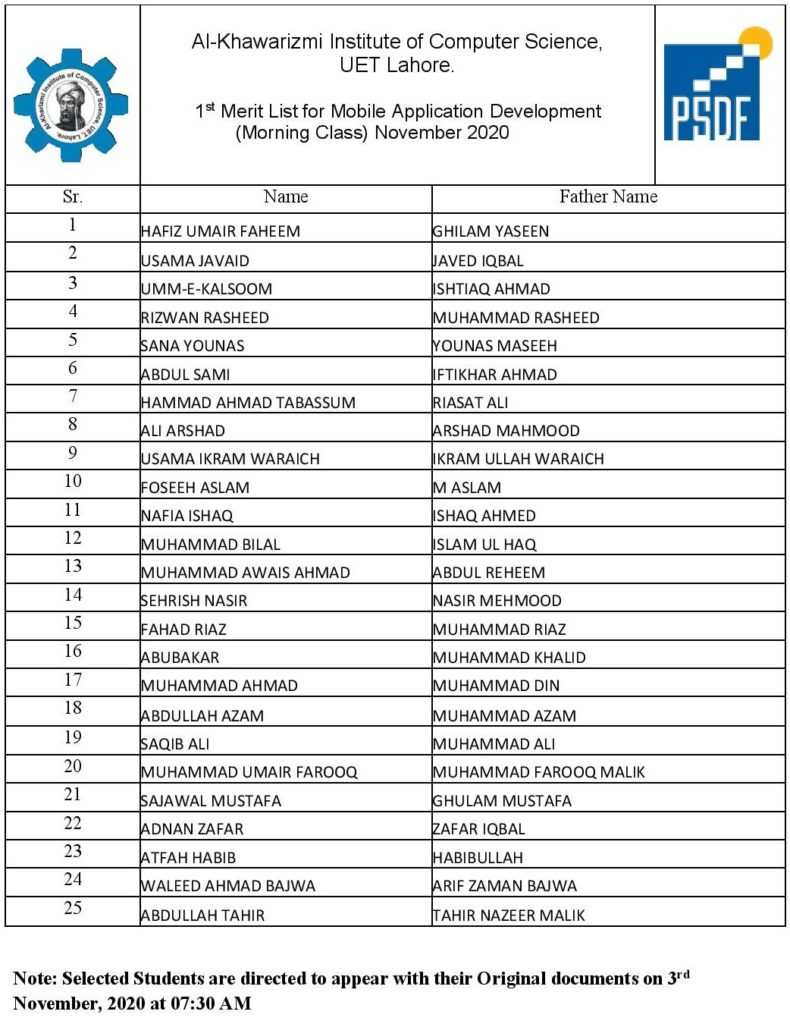
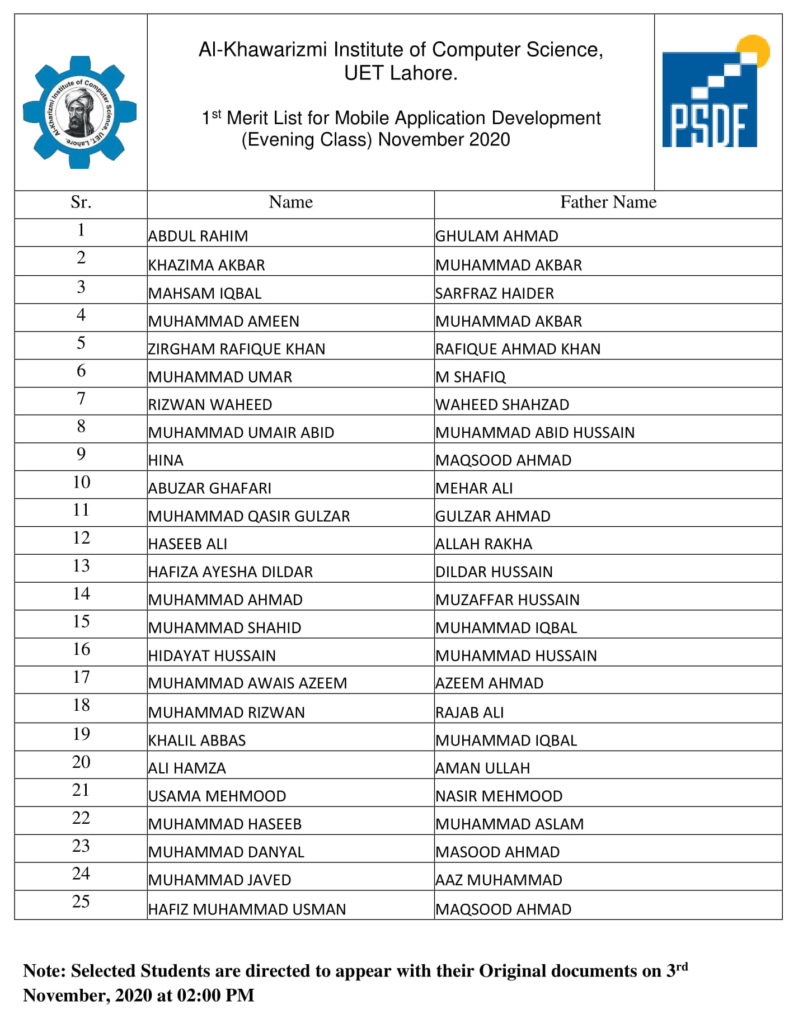
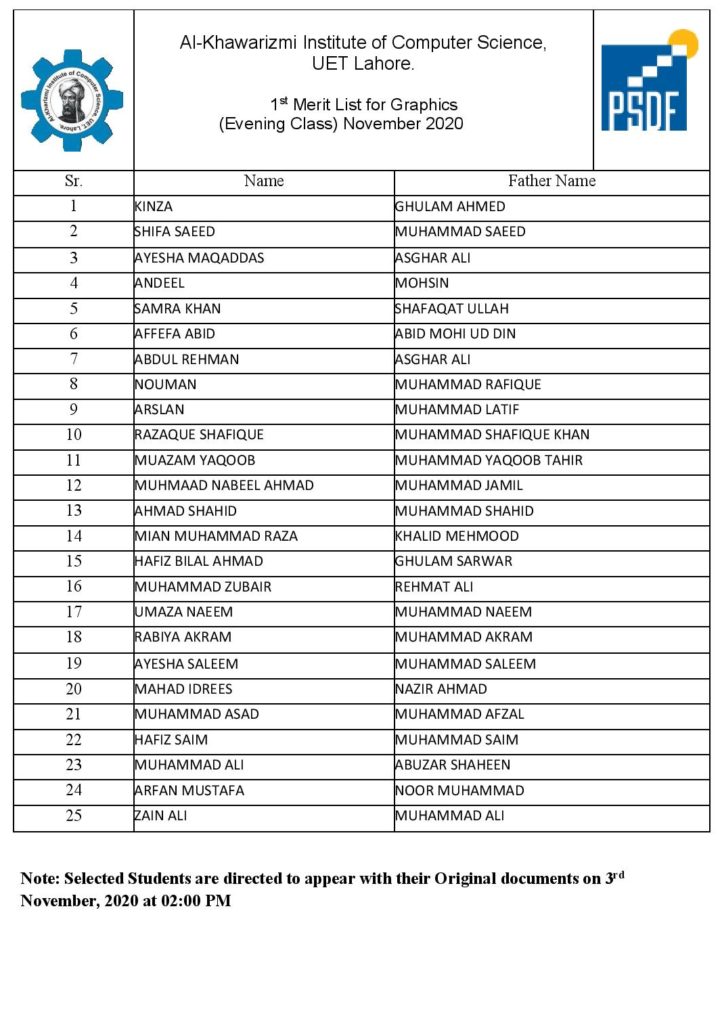
PSDF Merit List 2020
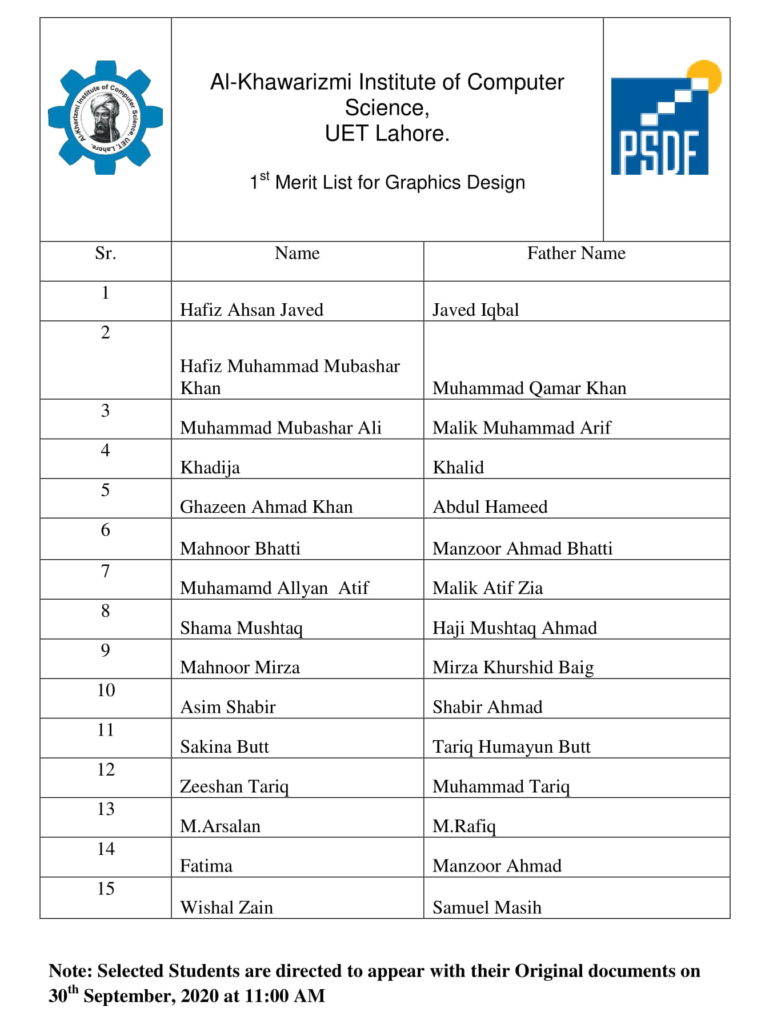
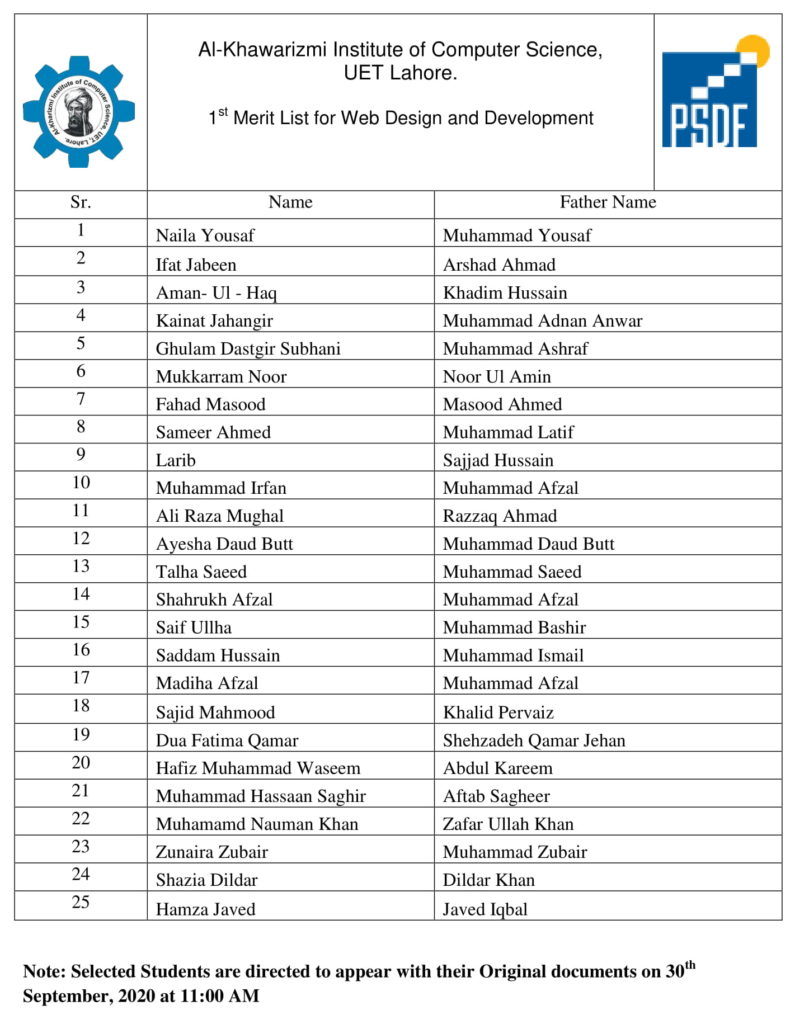
Free Online Training on “Big Data in Higher education Applications” | starting from 28th September | IIOE, ICHEI China


Duration: Self-paced 21 days (Recommended learning hrs: 6-hrs/week)
Dates: 28 Sept, 2020 to 19 Oct, 2020
Registration Deadline: 26th September 2020
Registration LinK: https://iioe.ichei.org/training (Enrolment/Registration guide is attached)
Leading Instructor: Dr. Wen Zheng, Assistant Professor of the Department of Communications and Computer Engineering at Waseda University, Japan
Prospective Learners: Educators and professionals in higher education who wish to enhance data literacy and data analytic skills in their teaching and research
Recommended devices: Participate in IIOE Training via desktop computers and laptops.
Call for Paper – 14th IEEE ICOSST 2020
Welcome to IEEE ICOSST 2020
Open-Source Software (OSS) is an established cross-disciplinary paradigm for distributed enterprise computing and e-Government. It is helping organizations both public and private to keep control on the cost of development and deployment. OSS has not only changed the way software applications are architected, deployed, and consumed but also they are engineered to provide large distributed cross-platforms and frameworks.
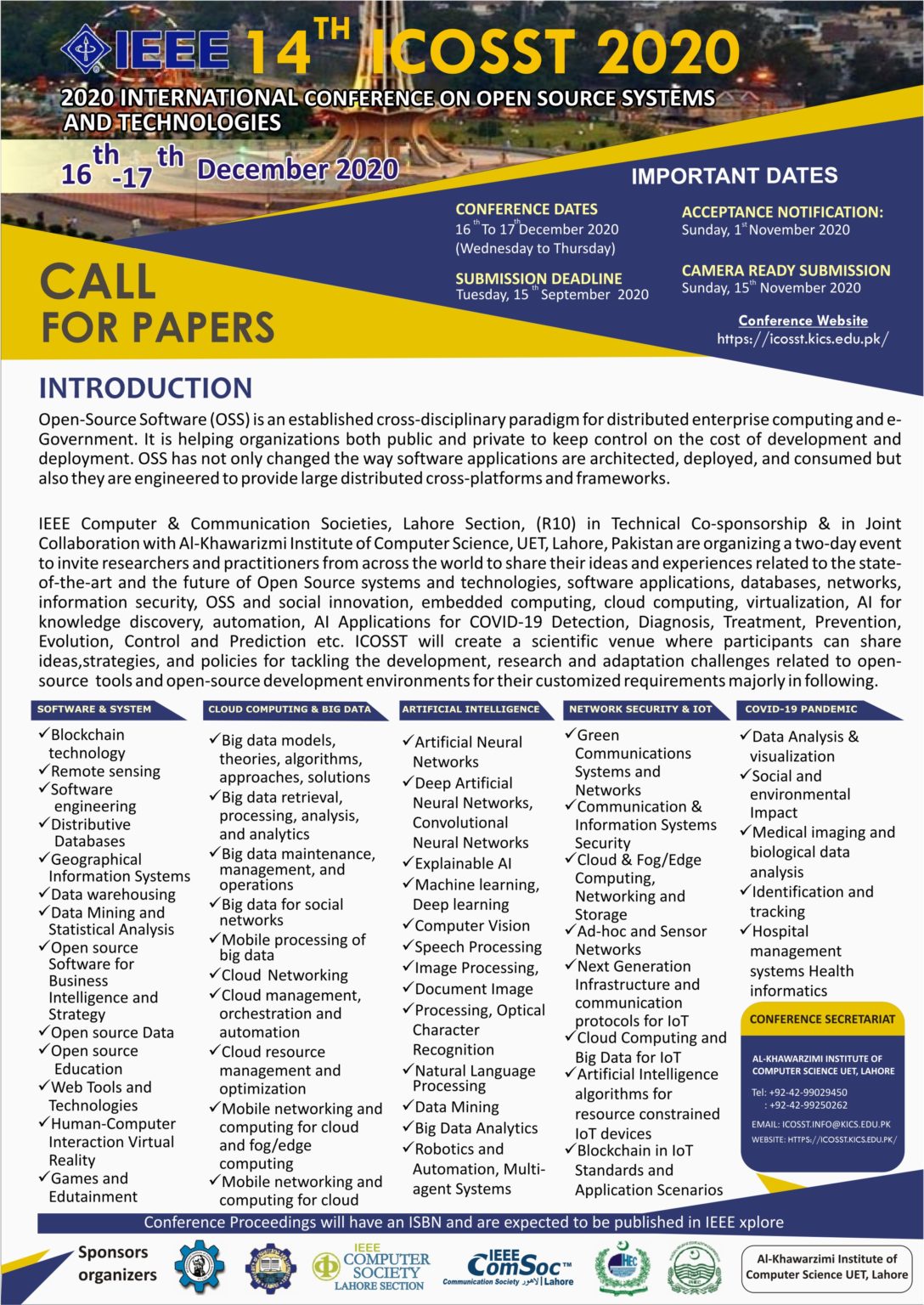
IEEE Computer & Communication Societies, Lahore Section, (R10) in Technical Co-sponsorship & in Joint Collaboration with Al-Khawarizmi Institute of Computer Science, UET, Lahore, Pakistan are organizing a two-day event to invite researchers and practitioners from across the world to share their ideas and experiences related to the state-of-the-art and the future of Open Source systems and technologies, software applications, databases, networks, information security, OSS and social innovation, embedded computing, cloud computing, virtualization, AI for knowledge discovery, automation, AI Applications for COVID-19 Detection, Diagnosis, Treatment, Prevention, Evolution, Control and Prediction etc. ICOSST will create a scientific venue where participants can share ideas, strategies, and policies for tackling the development, research and adaptation challenges related to open-source tools and open-source development environments for their customized requirements. For more detail about the areas click here!
NEWS AND ANNOUNCEMENTS
The 14th IEEE International conference (ICOSST) will be held in UET Lahore , Pakistan from 16 -17 December 2020.
IMPORTANT DATES
BEST PAPER AWARD
The “Best Paper Award” will be given to the authors whose paper(s) will be selected by the technical committee among the papers presented in ICOSST 2020. The paper will be evaluated based on relevance to the symposium’s scope, its scientific contribution, writing and author presentation. The technical committee will send its recommendations to the ICOSST steering committee that will finalize the “Best Paper Award”.
Evaluation Criteria:
Papers are evaluated based on technical merit, originality, potential impact on the field, clarity of the written paper, and quality of the conference presentation.
WEBINAR: ON NODE DEEP LEARNING | By Mr. Ahmad Hassan
On Tuesday, September 15, 2020, NCAI associated Lab AGVRL_KICS_UETL organized a successful webinar by the name of ‘on Node deep Learning’, under the supervision of Dr. Usman Ghani Khan (PI_NCAI). A number of participants including NCAI associated labs i.e. AGVRL, CVML, and private software houses attended the webinar.
The key speaker of the webinar was Muhammad Ahmad Hassan (sr. research officer) AGVRL lab. In this session, he very clearly enlightens the concept of current paradigms of security and surveillance system, problems associated with traditional manual and automatic surveillance systems, current challenges to the CCTV security systems. Further, he also proposed the practical, applicable and reliable solution to all issues related to security and surveillance systems in on node deep learning.
Furthermore, in explanation with the current scenario, he said; our security systems are being shifted to cameras, thermo graphics cameras; video streams based authorization and detection, person authorization, object detection, and site surveillance. But here, the problem is, all this installation needs a force of human resources to monitor and process all the streamed data. That is quite a time-taking and of course, we cannot ignore the chances of human error.
Here, he quoted the example of a safe city. There are almost ten thousand cameras that are continuously generating streams. Let’s if we apply the same concept of “Safe city” to all the provinces, it would be the required installation of almost fifty thousand cameras. These cameras would continuously generate live streams and producing tons of data. If this data is to be filtered, monitored, and processed by a human, it would take approximately ten thousand manpower and months of time. But still, after doing all that, human error and negligence cannot be ignored. As humans cannot pay attention consistently for a long period, he has desires and emotions too. These are unavoidable limitations of traditional security and surveillance systems.
Further limitations of hybrid security surveillance systems are;
- Heavy servers required for video processing.
- Central server dependency.
- On Node decision.
- Network delay.
In case of offline processing the limitations are;
- Difficult to retain such Mammoth data.
- Processing will incur resources.
- Financial constraints.
- Technical constraints.
- Spatial constraints.
Solution for current surveillance challenges
Mr. Muhammad Ahmad Hassan proposed an authentic, reliable solution to all the above-mentioned problems. He also demonstrates the practical application in real time. That was noted and appreciated by all the attendees. According to his proposed solution,
- If each node in the surveillance system work, process and make the decision individually then the system can easily tackle the above-mentioned challenges.
- Processing and decision should be on the individual node and final results can easily be transmitted to the main server.
- Deep learning models can also be implemented if financially affordable. This can easily solve our system problems like; data storage, network delay and on node decision etc.
- On Node deep learning-based automation can also help us to overcome all such problems. For this, we need to embed deep learning models on node.
Further, he also discusses in-depth about on Node processing devices. Some of them are;
Raspberry Pi4
FPGA (Sparten 3e)
NVidia Jetson Nano
Mr. Muhammad Ahmad Hassan also discussed in detail the working model, functionality, and useful features of TensorRT. I.e. it provides high-performance inference in deep learning. It has low latency and high throughput. Its libraries are available in C++ and python. Most importantly, it is compatible with almost all the available framework of deep learning like;
- Tensorflow
- Keras
- MxNet
- Pytorch
- Caffe etc.
The webinar was concluded with a number of live demos and answering the questions raised by the audience. Speaker tried to satisfy them all with comprehensive answers and examples. All attendee was thankful of the institute for arranging such an advance and knowledge-rich webinar.
ICRL Bioinformatics Lab Successfully Conducted Live Webinar
ICRL_KICS_UET Lahore, under the umbrella of National Center of Artificial Intelligence (NCAI) Organized and conducted a live webinar on September 03. Dr. Usman Ghani Khan (Associate Professor of CS Department and Principal Investigator of NCAI research program) was the key speaker. A number of professional and students attended live webinar.The main theme of the webinar was “Research trends in Bioinformatics” In which Dr. Usman Ghani Khan cover almost each segment of the theme clearly, i.e. brief history of Bioinformatics lab at KICS, need of bioinformatics labs, national and international scenario, challenges in biological research, strategy to handle these challenges. During the webinar, a number of commercial products being developed at Bioinformatics labs were demonstrated.
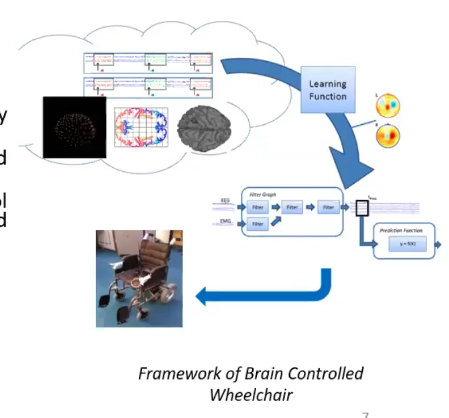
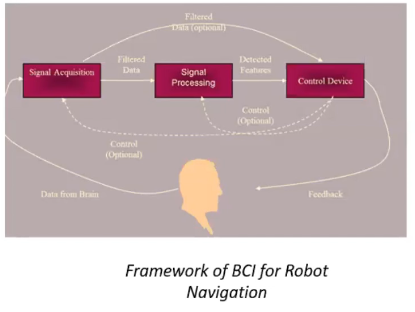
According to Dr. Usman Ghani Khan, Bioinformatics lab at KICS U.E.T Lahore was established in 2010, by starter grant by H.E.C. Lab aim was to provide a national bioinformatics information network to cater the inter-disciplinary and collaborative research needs of the research industry. Under the Research and development domain of bioinformatics a number of research projects are going on. Other subdomain of research and development are;
- Bioinformatics
- Medical Imaging
- Brain Informatics
Where brain informatics is working on Neuro-science, bioinformatics is on genomics and proteomics while medical imaging is on image process. Further, all these domain and sub domains are integrated with Artificial Intelligence. Currently, following research projects are going on in all bioinformatics labs sub divisions integrated.
- Virtual Brain
- Modeling of Brain Data
- Neuro-gaming
- Neuro-gaming for ADHD patient
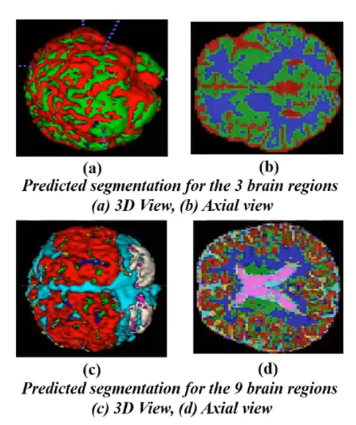
- Brain region Segmentation
- Brain Tumor Segmentation
- Tumor Segmentation in liver
- Pneumonia Identification
- Abdominal Organs Segmentation
- Spine curvature estimation
- Detection of COVID-19
- Breast Cancer Identification
- Identification of Target drugs for cancer
- Off-target binding profiles prediction
- Genes-Disease Prediction
- Biological data analysis
- Identification of cancer subtypes
- Multi-class cancer classification
- Genomic Analysis and Phylodynamics
- Protein-Protein Interaction
- Protein Structure Visualization
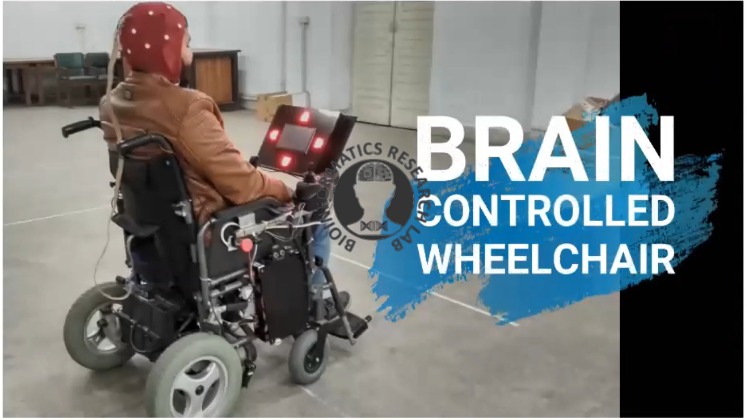
All these projects and modules were explained in webinar. Products based on these research projects were also presented during the webinar. Highlighting products are BCI devices which will definitely bring revolution in the history of medical. Here, best example that was shown is Brain-controlled-Wheel-Chair.
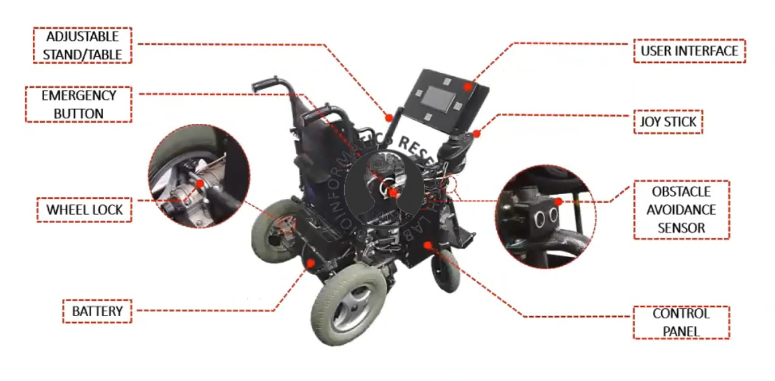
To conclude, Bioinformatics lab at ICRL_UETL is working for last 10 years. A very strong and dedicative team at bioinformatics is available to handle the different algorithms of bioinformatics. Their understanding of biological and bioinformatics concept is very high. They are very good working and competitive hands in the field of bioinformatics. Our main strength is bioinformatics, brain informatics and drugs discovery. The idea behind online webinar is to spread knowledge, awareness and global research trends to compete the universal challenges.
Federal Minister, Provincial Minister and Additional Chief Secretary for Energy visited CERAD UET KSK Campus
Federal Minister for Energy, Mr. Omar Ayub Khan, Provincial Minister for Energy, Dr. Akhtar Malik, and Additional Chief Secretary Energy, Miss Irum Bukhari along with their team visited Centre for Energy Research and Development (CERAD) UET Kala Shah Kaku Campus. Vice-Chancellor UET, Prof. Dr. Syed Mansoor Sarwar, Director CERAD, Prof. Dr. Waqar Mahmood, MD PEECA, Adnan Mudassar welcomed the guests. They visited all the labs of the center, team members from different labs described them about the ongoing projects. They inspected the research and development work done there and appreciated the work of the researchers.
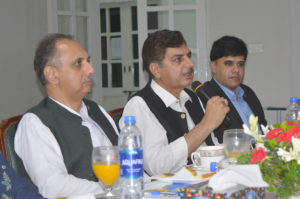
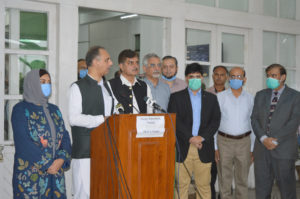
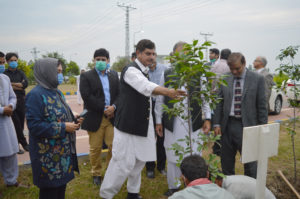
Federal Minister said that in the future this institute will become an even better institute and we have all the ingredients that can take it towards further development. While Provincial Minister said that the Federal Government and Punjab Government are working together on a one-point agenda to provide affordable electricity to the people. Director CERAD Dr. Waqar briefed the guests about the performance of the Center, ongoing projects, facilities, and future projects. A tree plantation drive was also conducted in which the guests along with Vice Chancellor, Director CERAD and other staff members planted trees by following Prime Minister’s “Plant for Pakistan” drive.